
Table of Contents
A stereotype that never seems to die
We often hear jokes about British smiles, but where does this idea of “Why Do British People Have Bad Teeth” come from? Many people still believe it, even though the reality today is very different. Let’s take a walk through history, culture, and science to understand why this myth has stayed around.
Looking back at dental history in the UK
I think the stereotype grew from real struggles in the past. In the 1960s and 70s, oral health in the UK wasn’t strong. Back in 1963, children aged 12 had an average of 5.6 missing or filled teeth. By the late 1970s, nearly a third of adults had no natural teeth at all. Wales even hit 37%. That set a picture that stuck in people’s minds.
How the media shaped the myth
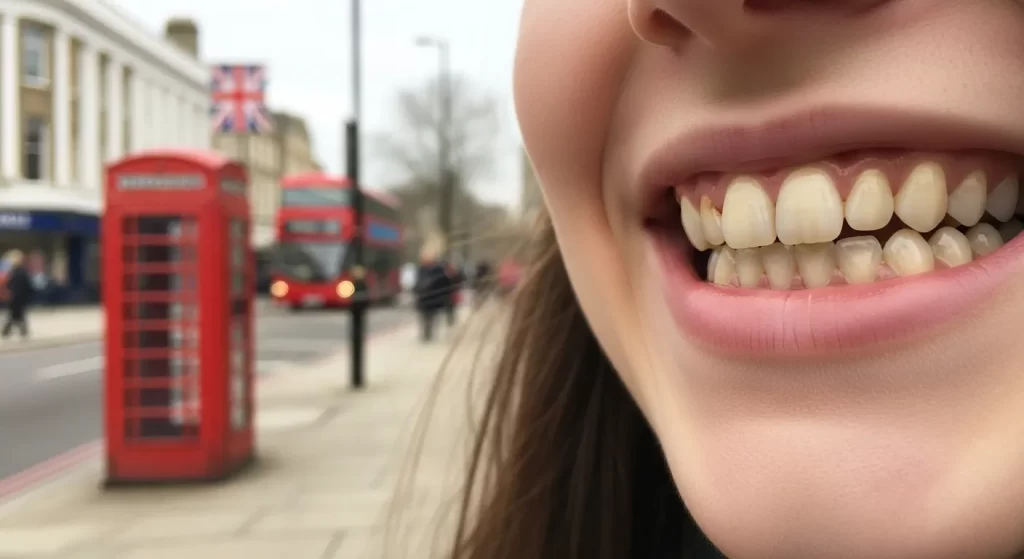
We can’t ignore the role of movies and pop culture. American comedies, like Austin Powers, exaggerated crooked smiles for laughs. This made “British dental care standards” a cultural punchline in the U.S. Even though dental standards improved, the joke stayed alive.
Where the numbers stand today
These days, the story is very different. Today, only 6% of UK adults have no natural teeth. In fact, two out of three 12-year-olds in Britain are free from visible decay. That’s a huge leap compared to the 1970s.
- In 2008, UK children scored among the best in the OECD, with just 0.7 missing or filled teeth on average.
- A British Medical Journal study in 2015 even showed UK and US dental health were very similar.
So, by the numbers, the stereotype just doesn’t hold up.
Comparing British and American smiles
When we compare the UK and US, we see cultural differences more than health differences. In America, people value a perfectly white, straight smile. In the UK, people lean toward a natural look. Cosmetic dentistry, like whitening and veneers, is common in the US but not in the UK.
- Only 3% of Brits get teeth whitening compared to 14% of Americans.
- NHS dental care focuses on necessity—fillings, root canals, and extractions—rather than cosmetic work.
It’s not worse teeth. It’s just a different idea of what’s important.
The role of the NHS

We should also look at how the NHS system shapes oral health. NHS dental care is built on affordability and clinical need. Kids can get braces for free if medically necessary. Over 900,000 orthodontic treatments started in 2012 under NHS support. That’s a big deal for families who couldn’t otherwise afford it.
Gaps that still exist
These improvements don’t mean everything is perfect. Many schools in the UK don’t teach oral hygiene. Only 29% actively educate kids about brushing and flossing. Surveys show:
- 21% of Brits haven’t seen a dentist in the last two years.
- 19% don’t brush twice daily.
- Cost remains a barrier for one-third of adults.
So yes, challenges remain, but they don’t define the whole picture.
What science reveals about British diets and teeth
Interestingly, researchers at the University of York and Max Planck Institute studied dental tartar across British history. Tartar preserves proteins for thousands of years, giving clues about diet.
- Victorian samples revealed oats, peas, and cabbage-family veggies.
- Modern samples showed global foods like soybeans, peanuts, and potatoes.
These studies show how British diets evolved and how teeth recorded that history. Far from being “bad,” teeth became living archives of ancestry and culture.
Myths vs. reality in everyday life
They say stereotypes last longer than facts. But when we look closely, today’s UK dental health is not worse than other wealthy nations. In fact, OECD stats show British kids often rank ahead of American kids in oral health. The “myths about British teeth” image is more myth than truth.
Shifting attitudes in modern Britain
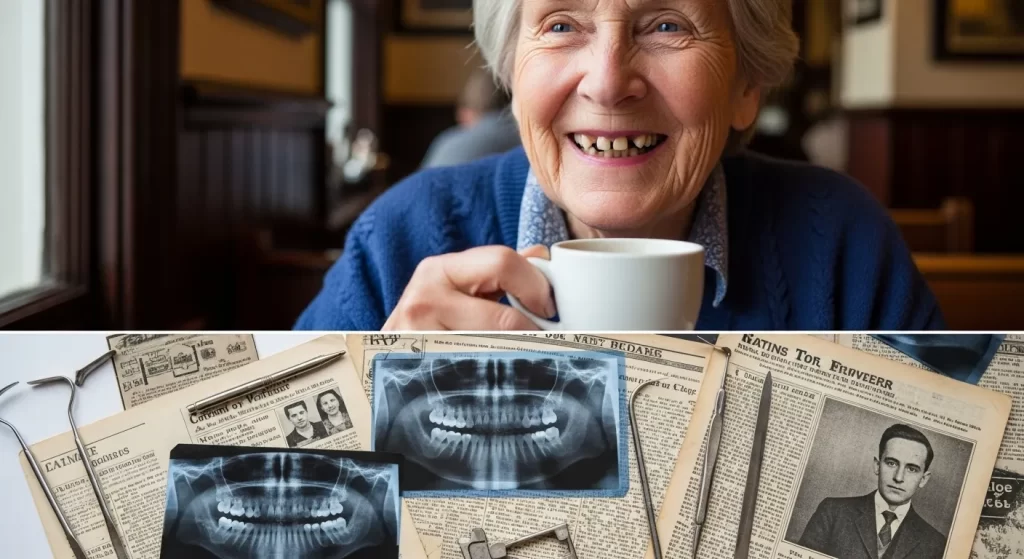
These days, British society is changing. Social media puts more focus on appearances, and people are spending more privately on cosmetic procedures. Annual private spending on dentistry is now close to £2 billion, almost 30% higher than a decade ago. While NHS covers health basics, the growing demand for cosmetic care reflects cultural shifts.
What we can learn from the stereotype
We can take a few lessons from this whole debate:
- History shaped perceptions.
- Media reinforced myths.
- Culture decides beauty standards.
- Science proves oral health in the UK is solid today.
When we look at the evidence, British people don’t have “bad teeth.” They simply have a different dental culture than Americans.
Final thoughts
In the end, the idea of British people having bad teeth is more fiction than fact. Yes, the UK had struggles in the past, but today the numbers speak for themselves. The NHS system ensures care for millions, even if cosmetic work isn’t the focus. While Americans may prize a Hollywood smile, Brits often value a natural look.
The next time someone cracks a joke about “British teeth,” we should remember the truth: oral health in the UK is stronger than the stereotype suggests.
FAQs
Why do people say British have bad teeth?
The stereotype started in the mid-20th century due to poor oral health and was reinforced by U.S. media jokes.
Are British teeth worse than American teeth?
OECD stats and studies show UK oral health is similar to or better than the U.S. in many measures.
Does the NHS cover cosmetic dentistry?
NHS covers essential treatments like fillings, extractions, and braces if needed, not cosmetic work.
How many UK adults have no natural teeth today?
Only about 6% of adults in the UK have no natural teeth, a huge improvement from one-third in the 1970s.
Do British children have healthy teeth?
Yes. Two in three 12-year-olds are free of visible decay, ranking among the best globally.
References
- University of York. (2018, July 18). Ancient tartar reveals dietary proteins from Britain’s past.
- Organisation for Economic Co-operation and Development (OECD). Oral Health Statistics.
- British Medical Journal. (2015). Oral health comparison between the United States and England.
- UK Government. (2021). Adult Oral Health Survey.
- Oral Health Foundation & Colgate-Palmolive. (2020). Nationwide oral hygiene survey results.
- Mintel Reports. (2021). UK dental spending trends.
- NHS. NHS dental care system and orthodontic treatment guidance.
- Austin Powers (1997–2002). Film series contributing to stereotype of “bad British teeth.”
Disclaimer: This article is for informational purposes only and is not a substitute for professional dental advice, diagnosis, or treatment.
Author’s: Ben Dawson
As a dental health researcher, I believe the myth of “bad British teeth” is outdated. Data shows the UK’s oral health now ranks among the best in the world.