Table of Contents
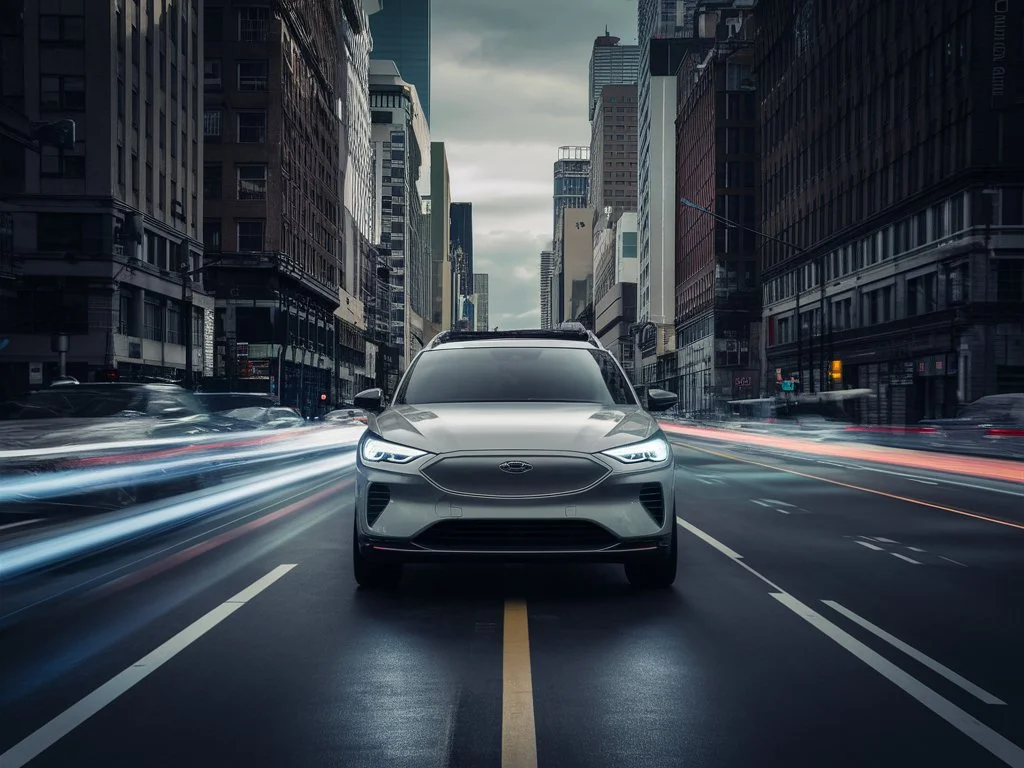
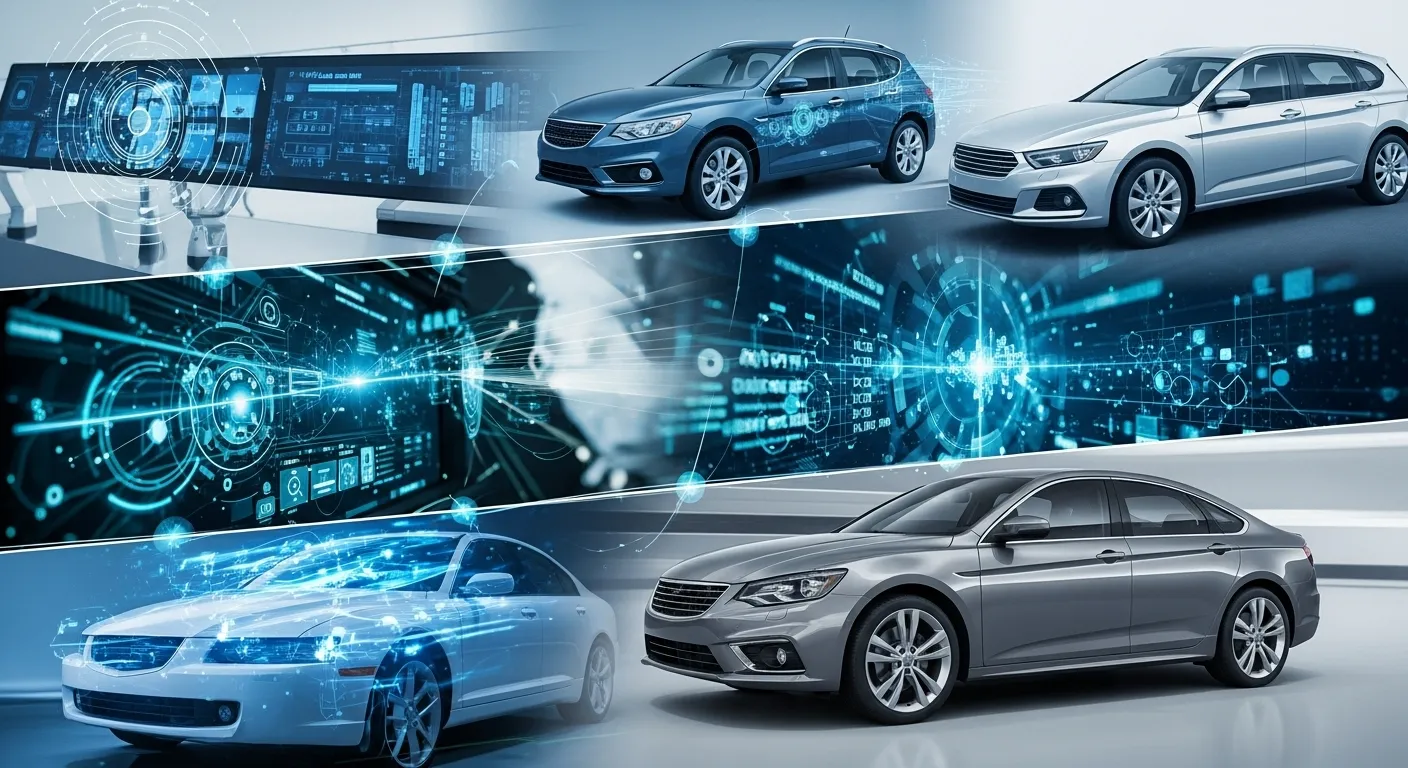
Technological advancements have transformed the automotive industry, turning cars into smart machines for safety, convenience, and personalized user experiences. These vehicles integrate software and hardware, offering advanced features like automated assistance and sleek digital displays. These advancements enhance driving experiences and pave the way for a smarter, more sustainable transportation ecosystem.
Advanced Driver Assistance Systems
ADAS, a key focus in automobile design, uses cameras, radar, lidar, and sensors to monitor the car’s surroundings in real time. This reduces accidents caused by human error and improves driver confidence, thereby lowering crash rates, particularly in high-traffic urban areas. To better understand how these systems are evolving and what they mean for the future of driving, learn more about the role of ADAS in modern vehicle safety.
Augmented Reality Head-Up Displays
The days of glancing down at small dashboard screens are giving way to the convenience of Augmented Reality Head-Up Displays (AR HUDs). By projecting key data—such as speed, GPS navigation, and safety alerts—directly onto the windshield, drivers can keep their focus on the road ahead.
AR HUDs enhance real-time awareness by overlaying digital guidance onto the driver’s field of view. This heightens responsiveness in fast-changing scenarios, like sudden turns or heavy traffic. When implemented thoughtfully, AR HUDs contribute to driver safety and a futuristic, sleek aesthetic within the cabin.
Voice-Activated Controls
Voice-activated functionality in modern cars means vital controls—such as navigation input, entertainment choices, or cabin temperature adjustments—can be accessed with simple voice commands.
This minimizes the need to reach for buttons or screens and helps drivers stay focused on traffic conditions. Improved natural language processing technology has made these systems both reliable and easy to use, helping to foster a safer, distraction-free driving environment.
Connected Car Technology
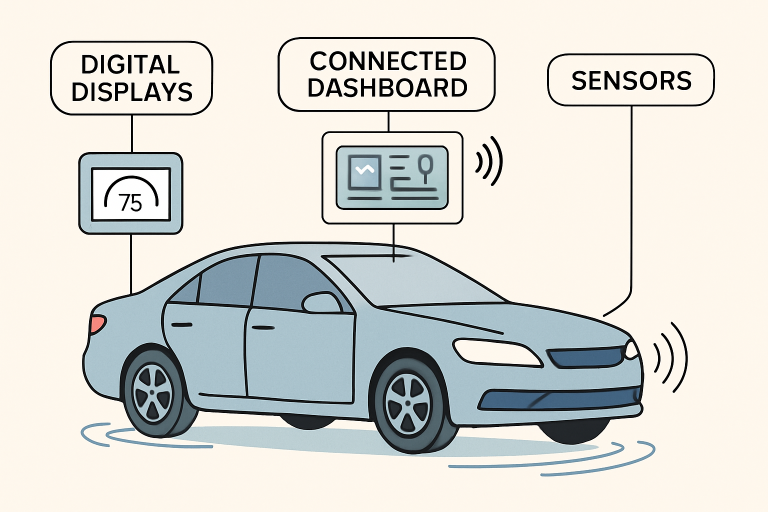
With a fast-evolving wireless communication infrastructure, new vehicles now feature seamless connectivity. This enables functions like over-the-air software updates, real-time traffic alerts, remote start, diagnostics, and integration with smartphones and smart homes.
Connectivity also adds value by enabling digital assistants, vehicle tracking, and enhanced security features. As vehicles continue to connect with each other and urban infrastructure, the stage is set for developments like vehicle-to-vehicle communication and self-driving cars, further reshaping the future of mobility.
Electric Vehicles and Smart Energy Management
Electrification is perhaps the most transformative change in the industry. Electric vehicles (EVs) reduce emissions and introduce greater intelligence with energy management solutions. Smart systems help EV owners optimize battery usage, set charging schedules, and use renewable energy sources.
Advanced vehicle-to-grid (V2G) technology allows EVs to store electricity and deliver it back to the grid when needed, supporting the stability of local energy networks. Innovations like regenerative braking and intelligent route planning further maximize driving range and efficiency.
Personalized In-Car Experiences
AI-powered car personalization allows them to recognize individual drivers and adjust settings like climate control and infotainment. This enhances comfort and builds a stronger connection between drivers and their vehicles. As technology advances, drivers can expect smarter, more adaptive cars that adapt to their needs, creating enjoyable and secure journeys.
Driving Into the Future: Embracing Innovation and Sustainability
The automotive landscape is rapidly evolving, blending cutting-edge technology with environmental consciousness to redefine what it means to drive. From advanced safety systems that protect lives to personalized digital experiences that make every journey seamless, these innovations are transforming cars into intelligent companions on the road.
The shift towards electrification and connectivity not only supports sustainability goals but also unlocks new possibilities for convenience and efficiency. As these technologies continue to mature and integrate, drivers can look forward to smarter, safer, and more engaging travel experiences that align with the needs of a modern, connected world.