
Table of Contents
Load mobility is crucial for industrial operations, ensuring efficient and safe movement of goods, components, and finished products. This practice directly impacts productivity levels and overall operational excellence, ensuring smooth workflows in warehouses, assembly lines, and fast-paced logistics centers.
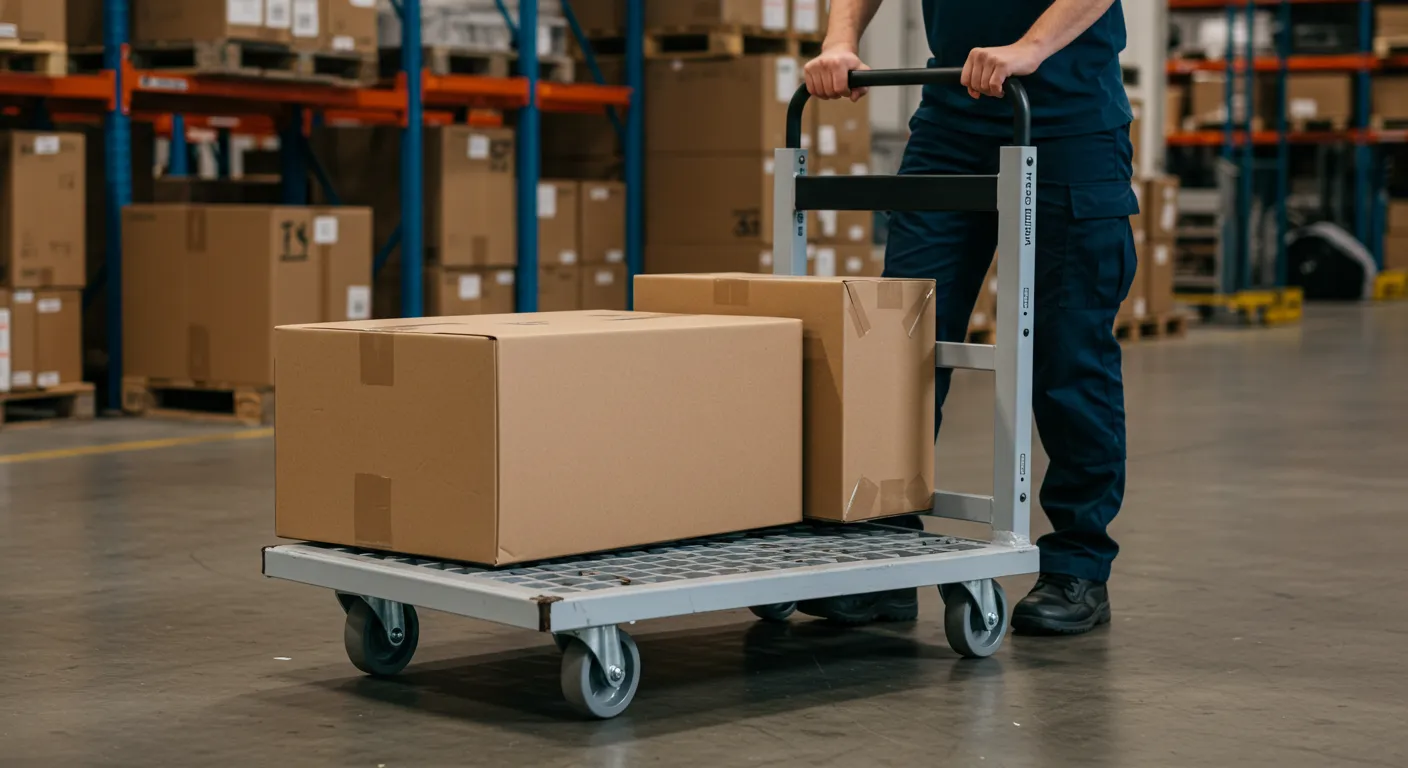
A foundational element in enhancing load mobility is the adoption of advanced material handling carts that are equipped with specialty components like light duty shock absorber casters. Innovative casters absorb vibrations from uneven surfaces, ensuring smoother transport for delicate items and protecting operators from damage. Investing in ergonomic handles, reinforced frameworks, and grid bottoms reduces manual effort, promoting safety and productivity.
Key Benefits of Improved Load Mobility
Improved load mobility can boost productivity by eliminating bottlenecks and accelerating production cycles. It also enhances safety by reducing musculoskeletal injuries caused by manual lifting. This leads to fewer accidents, improved morale, and a healthier workforce. Additionally, optimizing workflows and minimizing injury risks can result in cost savings, reduced labor costs, and reduced downtime. This reputation for safety can also boost recruitment and retention in a competitive labor market.
Implementing Effective Load Mobility Solutions
Optimizing load mobility requires a comprehensive strategy that involves assessing current workflows, selecting appropriate equipment, training employees, and establishing a routine maintenance program. This involves mapping out material flow, identifying areas of delay, manual handling, and near-miss incidents, and engaging frontline employees to identify bottlenecks and hazards. Matching equipment to the environment and load type ensures safety and operational continuity. Regular training on safe handling techniques, risk assessment, load security, and maintenance issues is crucial for maintaining a culture of accountability and shared responsibility. Regular maintenance helps reduce downtime, prevent costly repairs, and extend the lifespan of critical assets.

Also Read: Exploring 10 Modes of Transportation: Types and Freight
Real-World Applications
Load mobility solutions are becoming increasingly important in various industries. In manufacturing facilities, mobile warehouse management and inventory applications enable seamless movement of raw materials and finished goods, reducing shrinkage and providing actionable insights. Construction sites require rapid adaptation to changing conditions, enabling communication and safety updates on the go. Efficient load mobility is crucial in large-scale warehousing and logistics operations, as e-commerce and just-in-time delivery models reshape supply chain demands. Purpose-built picking carts and specialized casters speed up processes, reducing product damage risk and operator fatigue.