Table of Contents
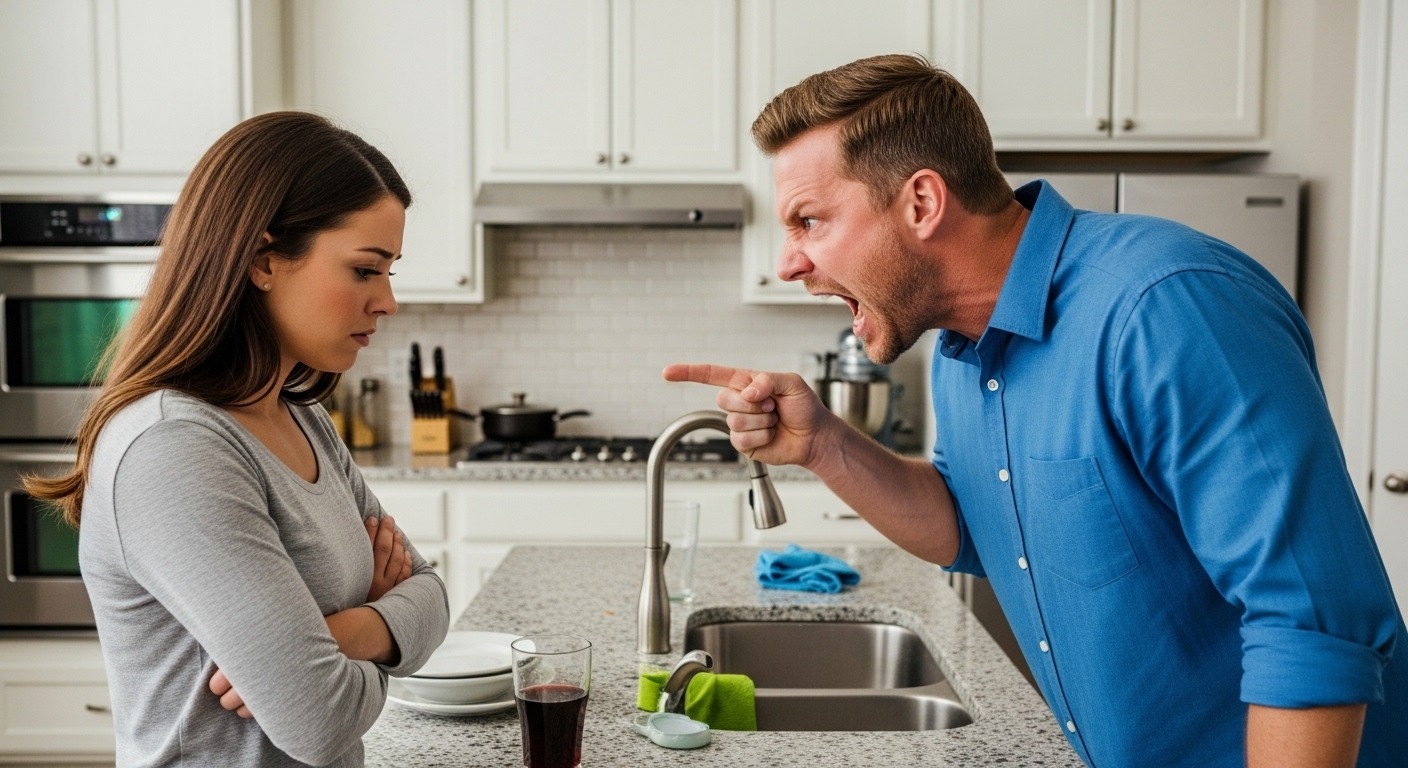
If you’ve ever found yourself asking, “Why is my husband yelling at me?” you are not alone. Many women experience moments in their marriage where yelling replaces calm communication, leaving them feeling confused, hurt, or even fearful. Yelling can stem from stress, poor communication, emotional overwhelm, power struggles, or even learned behavior from childhood.
The good news? Once you understand why your husband may be yelling, you can take steps to break the cycle and create healthier, more respectful communication in your relationship.
Why Is My Husband Yelling at Me? The 5 Most Common Reasons

1. Stress and Overload
One of the most common answers to “why is my husband yelling at me?” is stress. Work demands, financial struggles, or even daily pressures at home can push emotions to the surface. When stress levels peak, yelling may become a release valve.
What You Can Do:
- Suggest calm moments together, like a walk after work, before discussing difficult topics.
- Encourage your husband to share his stress openly without judgment.
- If stress is severe, consider couples or individual counseling to build healthier coping tools.
2. Gaps in Communication
Sometimes yelling isn’t about anger—it’s about not feeling heard. If you’re wondering, “why is my husband yelling at me during arguments?” it could be that he feels his needs aren’t being met or expressed clearly. Miscommunication and unspoken expectations often fuel yelling.
What You Can Do:
- Use “I feel” statements (e.g., “I feel hurt when you yell”) instead of blaming.
- Create space for both of you to speak without interruption.
- Consider a communication workshop or books like Nonviolent Communication to learn tools together.
3. Emotional Overwhelm
Another answer to “why is my husband yelling at me?” is emotional overload. Many men are taught to suppress feelings, which eventually explode in the form of yelling. For example, frustration about work performance may spill out during a minor household disagreement.
What You Can Do:
- Recognize signs of overwhelm early and suggest a pause before continuing the conversation.
- Encourage healthy outlets such as journaling, exercise, or therapy.
- Model calm responses to show that vulnerability can be safe in your relationship.
4. Power Dynamics and Control
Sometimes yelling is less about stress and more about control. If you’re thinking, “why is my husband yelling at me to silence me or make me feel small?” it may be part of an unhealthy power dynamic. Yelling that includes name-calling, threats, or intimidation can cross the line into emotional abuse.
What You Can Do:
- Set firm boundaries: let him know yelling is not acceptable.
- Document repeated abusive behavior if it continues.
- If you feel unsafe, reach out to resources like the National Domestic Violence Hotline (1-800-799-7233) for confidential support.
5. Learned Behavior from the Past
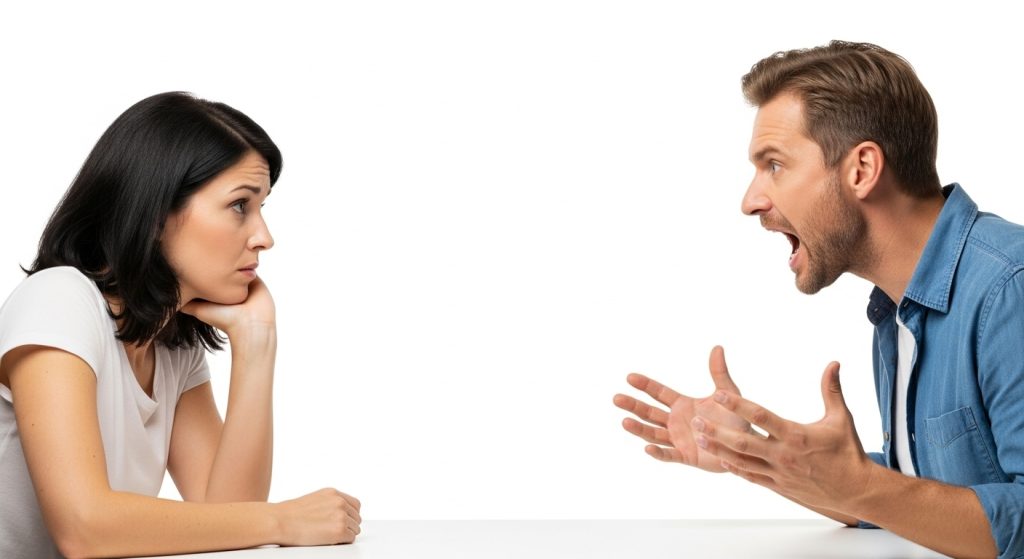
A husband may yell because that’s what he saw growing up. If you’ve asked yourself, “why is my husband yelling at me just like his father did?” it could be a pattern learned in childhood. Homes where yelling was common often normalize shouting as a conflict resolution style.
What You Can Do:
- Talk openly about family patterns and how they affect your marriage.
- Suggest couples therapy to break cycles passed down through generations.
- Practice healthier conflict-resolution skills together and reinforce progress with encouragement.
The Damage Yelling Causes in a Marriage
Even if you understand “why is my husband yelling at me,” it’s important to acknowledge the impact. Yelling triggers the brain’s fight-or-flight response, shutting down rational thought. It can lead to:
- Anxiety and constant “walking on eggshells.”
- Insomnia, headaches, and chronic stress.
- Emotional distance, resentment, and loss of trust.
Over time, frequent yelling damages intimacy and can push partners apart.
Recognizing When Yelling Becomes Abuse
If you keep asking, “why is my husband yelling at me?” and the yelling involves threats, intimidation, or refusal to change, it may be abuse. Warning signs include:
- Blocking doors during arguments.
- Threatening you, your children, or pets.
- Using yelling to control finances, decisions, or your freedom.
Abuse is never your fault. If this is your situation, reach out for professional help immediately.
How to Break the Cycle of Yelling
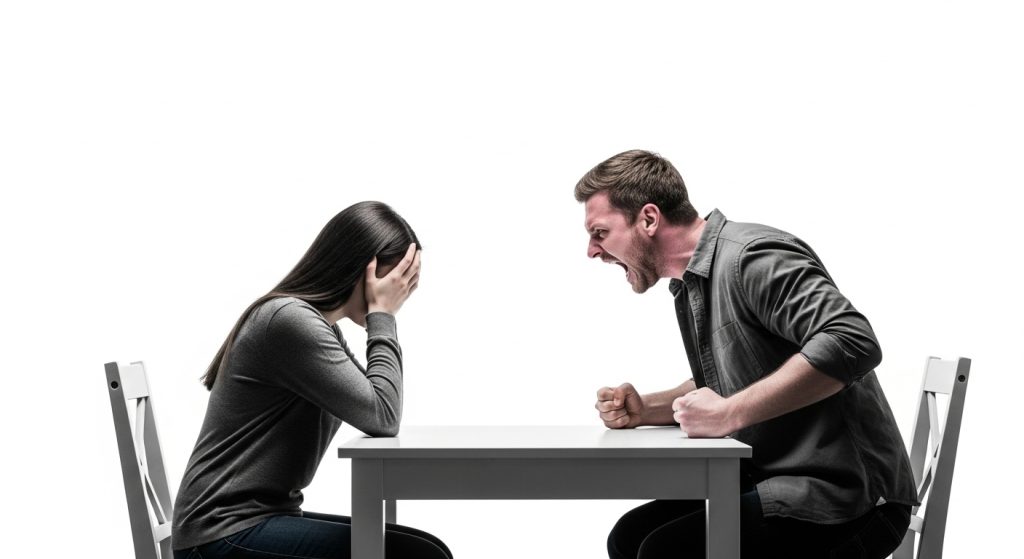
If you’re searching “what can I do when my husband yells at me?” here are actionable steps:
- Set Clear Boundaries – Calmly say, “I will not continue this conversation while you’re yelling. Let’s talk when we’re both calm.”
- Take Time-Outs – Walk away if yelling escalates. Resuming later prevents further damage.
- Practice Active Listening – Repeat back what you hear to ensure understanding.
- Seek Therapy Together – Professional guidance can help uncover deeper issues fueling the yelling.
Creating a Safety Plan (If Needed)
If yelling escalates into abuse, planning ahead keeps you safe. That may include:
- Identifying safe areas in your home.
- Keeping emergency contacts handy.
- Having essentials (keys, ID, cash) stored in a secure location.
If you ever fear for your safety, call 911 or contact the National Domestic Violence Hotline immediately.
Final Thoughts
If you’re asking yourself, “why is my husband yelling at me?” remember: yelling is not a healthy form of communication. Whether it’s caused by stress, communication breakdowns, emotional overwhelm, control issues, or learned behavior, you deserve a relationship rooted in respect and safety.
Start small by setting boundaries, seeking counseling, and practicing healthier communication patterns. And if yelling has turned into intimidation or abuse, reach out for professional help. You don’t have to live in fear—you deserve peace, love, and mutual respect in your marriage.
FAQs
Why is my husband yelling at me when he’s stressed?
Stress lowers patience and emotional control. While it doesn’t excuse yelling, it explains why it happens more often during tough times.
Is yelling a form of emotional abuse?
Yes—if yelling is frequent, demeaning, or paired with intimidation, it can qualify as emotional abuse.
How should I respond in the moment when my husband yells?
Stay calm, avoid yelling back, and set a boundary like: “I’ll continue this conversation when we’re both calm.”
Can a husband stop yelling once it’s a habit?
Yes. With therapy, healthy communication skills, and commitment, couples can replace yelling with respectful dialogue.