
Key Takeaways
- EVs reduce greenhouse gas emissions and improve urban air quality.
- Breakthroughs in battery design have extended driving range and slashed charging times.
- Expanding charging networks are making owning an EV easier and easing range anxiety.
- Government incentives significantly offset the upfront costs, making EVs more accessible to a broader range of drivers.
- Pairing EVs with renewable energy sources creates a more sustainable transportation ecosystem.
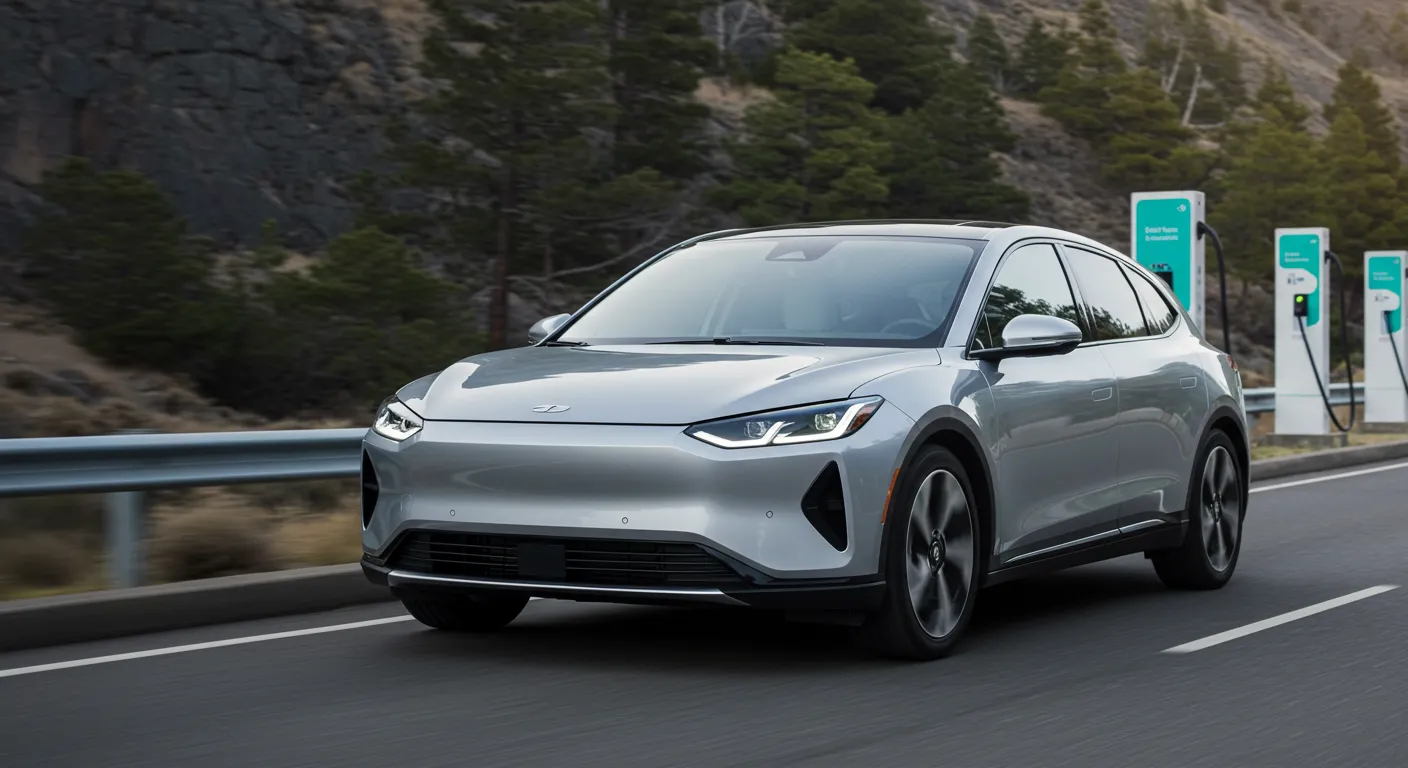
Electric vehicles (EVs) have evolved beyond the status of futuristic marvels—today, they are a tangible, practical part of daily life, fundamentally transforming personal transportation worldwide. Thanks to improvements in technology, infrastructure, and mainstream acceptance, EVs are quickly becoming the preferred choice for drivers seeking both efficiency and sustainability. Learn more about how you can make the switch to an EV and drive into a cleaner, brighter future.
As innovation accelerates, drivers are seeing longer ranges, faster charging times, and more affordable options on the market. This new era of automotive technology not only benefits the environment but also enhances the overall driving experience. The next generation of vehicles—powered by electricity and often integrated with renewable energy—stands poised to make daily commutes quieter, cleaner, and more convenient than ever before.
Environmental Benefits of EVs
One of the strongest arguments for switching to electric vehicles is their positive environmental impact. Unlike gasoline-powered engines, EVs produce zero tailpipe emissions, eliminating harmful pollutants such as nitrogen oxides and particulate matter from the air. As cities grapple with worsening air quality and global leaders seek to tackle climate change, EV adoption has emerged as a critical component of a healthier, more sustainable urban future. According to the U.S. Environmental Protection Agency (EPA), EVs significantly reduce carbon emissions over their lifetime, especially when charged from renewable sources.
Advancements in Battery Technology
Modern electric vehicles are empowered by state-of-the-art battery technology. Today’s batteries offer impressive driving ranges—often between 300 and 500 miles on a single charge—addressing one of the earliest roadblocks to EV adoption: range anxiety. Engineers have also introduced ultra-fast charging solutions, capable of adding as much as 200 miles of range in as little as 15–20 minutes, making EVs far more practical for long journeys than ever before. As battery materials improve and recycling efforts expand, the environmental impact and cost of battery production also continue to decline.
Expansion of Charging Infrastructure
The rapid development of EV charging infrastructure has erased much of the inconvenience once associated with electric vehicles. Public charging stations are now available in shopping centers, downtown areas, office complexes, and along major highways, making “topping up” just as easy as filling a gas tank. Private investment and government collaboration have helped establish fast-charging corridors between major cities and across states, ensuring EV drivers have reliable access to power wherever they go. For home charging, most EV owners simply plug in overnight, delivering unmatched convenience while taking advantage of off-peak electricity rates.
Government Incentives and Policies
Government incentives continue to play a pivotal role in accelerating the shift to electric mobility. Many countries and states offer generous tax credits, rebates, and reductions in registration fees for EV buyers. These financial benefits, combined with the lower maintenance and fueling costs of EVs, make ownership more accessible than ever. For instance, New York State’s Drive Clean Rebate offers up to $2,000 off the purchase or lease of new electric vehicles, significantly reducing the initial cost for consumers.
Integration with Renewable Energy
Electric vehicles are increasingly being charged from renewable sources such as solar and wind, creating a truly clean transportation system. Homeowners with solar panels can power their EVs directly from the sun, while utility companies are integrating more wind and solar power into the grid. New technologies, including Vehicle-to-Grid (V2G) systems, enable EVs to send surplus energy back to the grid during periods of high demand, thereby bolstering grid reliability and efficiency. This synergy between EVs and renewable energy represents the next frontier in sustainable transportation.

Increasing Consumer Adoption
As the benefits of EVs become more apparent, drivers’ attitudes are changing. Concerns about climate change, rising fuel costs, and the long-term affordability of electric vehicles are prompting more buyers to opt for electric options. Although upfront costs remain higher for some EV models, the total cost of ownership continues to fall as prices drop and operating expenses stay low. With established automakers introducing diverse EV models ranging from compact cars to luxury SUVs and trucks, drivers have more choices than ever before, further accelerating adoption rates.
Future Outlook for EVs
The evolution of EVs is just getting started. Ongoing advancements in battery recycling, faster and smarter charging networks, and the integration of autonomous driving technology are set to revolutionize not just how we drive, but also how our vehicles interact with the world around them. As these innovations converge, electric vehicles will become not just a cleaner alternative but the standard for personal transportation. The journey to electrified mobility is well underway, setting the stage for a safer, quieter, and more efficient driving future for generations to come.
Shaping a Sustainable Road Ahead
Electric vehicles are no longer just an emerging technology—they are transforming transportation by offering clean, efficient, and forward-looking alternatives to traditional gas-powered cars. With advancements in battery performance, expanded charging infrastructure, and strong government support, EVs are becoming more practical and accessible for everyday drivers.
As the connection between EVs and renewable energy strengthens, and smart features like vehicle-to-grid systems become more common, these vehicles are driving real progress toward environmental sustainability. Choosing an electric vehicle today means more than just upgrading your ride—it means helping create a cleaner, more efficient future for everyone on the road.