Table of Contents
Key Takeaways
- Chess sets have evolved from simple designs to intricate works of art, reflecting the cultures and eras from which they originate.
- Iconic sets like the Lewis Chessmen and Staunton design have left lasting legacies in the chess world.
- Modern innovations continue to blend tradition with contemporary artistry, keeping the game visually and intellectually engaging.
Introduction
Chess sets are more than just tools for a strategic battle of the mind; they are artifacts that capture the essence of history and artistry. As chess traveled from its ancient origins to becoming a global phenomenon, the chess pieces evolved remarkably—a narrative woven by craftsmanship, culture, and innovation. Today, the influence of Staunton chess pieces represents a pivotal moment in this journey, with a design that bridges traditional elegance with clarity and practicality. Collectors and chess aficionados alike marvel at how the times influenced these sets, crossing cultures and social classes throughout their legacy.
The rise of recognizably shaped chess pieces marks a significant progress in the game. Early chess sets served as a means for strategic entertainment and as symbols of status and cultural expression. Following the codification of rules and competitive play, standardization through the Staunton pattern brought a balance of form and function that still shapes official tournaments today.
Early Beginnings: The Origins of Chess Sets
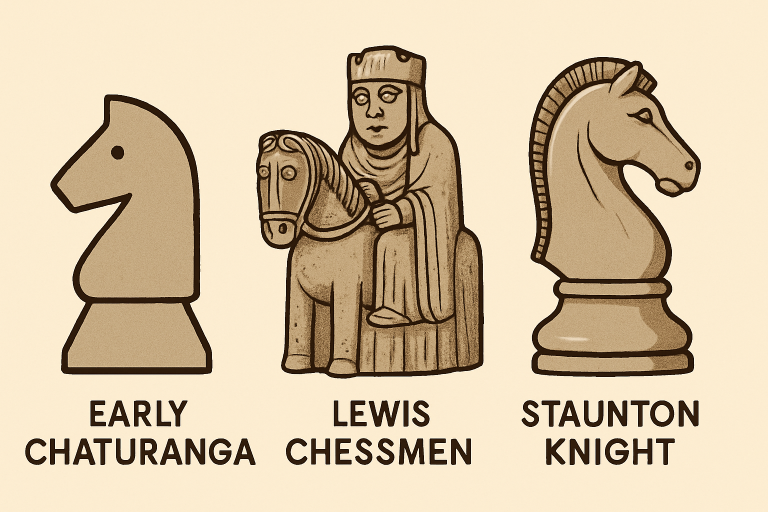
The roots of chess can be traced back to the 6th century India, where it was first played as Chaturanga. These early sets were often handcrafted from wood or stone, with abstract and straightforward designs symbolizing the four divisions of the ancient Indian military: infantry, cavalry, elephants, and chariots. As chess spread to Persia and across the Islamic world, the pieces began hinting at more elaborate forms, introducing artistic flair and intricate details that mirrored each region’s aesthetics and beliefs. Chess sets gradually evolved into functional art, showcasing materials and motifs symbolic of each cultural context.
The Lewis Chessmen: A Medieval Masterpiece
One of the most celebrated finds in chess history occurred in 1831 on the Isle of Lewis in Scotland, where the Lewis Chessmen were unearthed. These 12th-century masterpieces, meticulously carved from walrus ivory, portray expressive human and mythical figures, providing rare insight into the medieval mindset and artistry. Their features—bearded kings, solemn bishops, and knightly warriors—capture the imagination, making them enduring icons of both chess and medieval archeology. The Lewis Chessmen continue to fascinate researchers and enthusiasts, offering a tangible connection to the game’s European past. For further exploration, learn more about the Lewis Chessmen at Encyclopaedia Britannica.
The Staunton Design: Standardizing Chess Pieces
The mid-19th century marked a landmark leap for chess sets with the introduction of the Staunton design in 1849. Named after renowned British chess master Howard Staunton, this design established instantly recognizable forms for each piece, improving clarity for competitive play. The Staunton set’s distinctive king topped with a cross, elegantly balanced queen, and robust knight—modeled as a horse’s head—quickly became the international standard. This design endures in tournaments and remains the definitive set for serious play, a testament to Staunton’s vision’s universal appeal and intelligent simplicity.
Global Influences: Cultural Variations in Chess Sets
The artistic journey of chess sets is tightly interwoven with the cultures that adopted and reinvented the game:
- Islamic Art: During the Islamic Golden Age, carved or inlaid chessboards captured intricate geometric patterns and calligraphic motifs, adhering to local artistic traditions while avoiding figurative representation.
- Renaissance Europe: In the courts of Europe, chess sets reflected the affluence and taste of nobility. They were crafted from precious materials such as ivory, silver, and gold, often doubling as power and sophistication symbols.
- Makonde Chess Sets: Originating among the Makonde people of East Africa, these chess sets are celebrated for their vivid and imaginative carving styles, often depicting local folklore, wildlife, and ancestral themes.
Modern Innovations: Blending Tradition with Contemporary Design
Advancements in material science and global art movements have inspired a new wave of chess set innovation. Today’s artisans experiment with resin, metal, ceramics, and glass, elevating chess pieces to sculptural artworks. Sets with minimalist forms, thematic interpretations based on pop culture or history, and technological enhancements—like magnetic bases or LED features—keep chess visually engaging and accessible to younger generations. This ongoing creative evolution ensures that chess remains a living tradition, connecting modern sensibilities with timeless strategy.
Collecting Chess Sets: A Passionate Pursuit
Chess set collecting has grown from a niche hobby into a passionate global pursuit. Collectors are drawn to sets that blend historical significance with artistic merit, seeking everything from antique treasures to avant-garde contemporary sets. Each set represents a snapshot of its originating era and culture, creating a unique narrative through tactile craftsmanship. The world’s most renowned collectors often view their sets as bridges between art, heritage, and the enduring allure of intellectual play. For a deeper dive into the world of collectors and iconic chess set styles, The New York Times examines the rise in chess set collecting and its cultural history.
Conclusion
The evolution of chess sets is a captivating journey reflecting centuries of artistic, social, and technological change. From Chaturanga’s humble origins to the Lewis Chessmen’s expressive beauty and the universal standard of Staunton chess pieces, these icons encapsulate the game’s global heritage. As new generations reimagine chess set design, the legacy continues, ensuring chess remains both a game of intellect and a showcase of timeless artistry.